
Climate Change Takes Centre Stage in the UK Government's Updated National Risk Register
Author
David Kempster
Date Published
The UK Government has strengthened its assessment of climate-related risks in the latest Government Resilience Action Plan: 2026 Implementation Report, recognising that extreme weather is no longer a future challenge but a present-day reality.
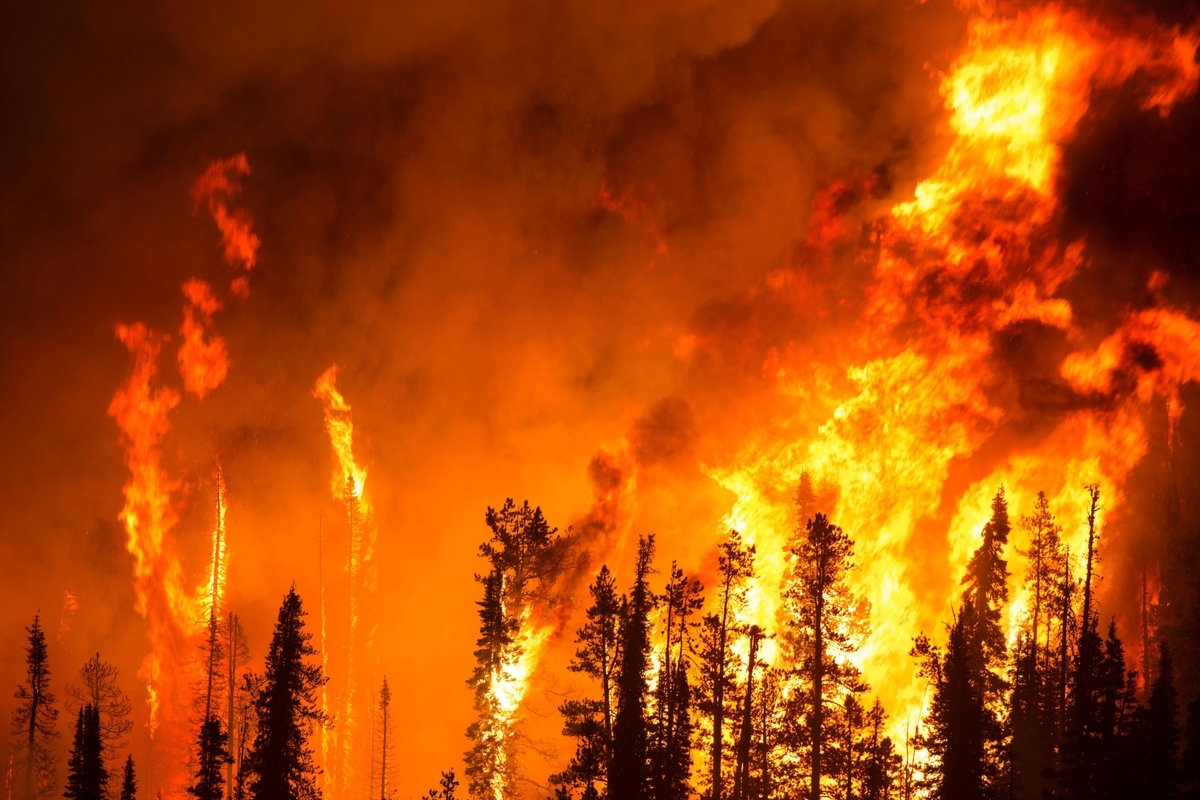
Following another year of exceptionally high temperatures across parts of the UK, the Cabinet Office has updated the National Risk Register to place greater emphasis on the growing threats posed by heat stress, prolonged hot weather and wildfires.
The changes reflect a significant shift in how government, businesses and communities must prepare for the impacts of climate change. Rather than viewing heatwaves as isolated weather events, the updated risk assessment recognises them as interconnected hazards capable of disrupting public health, infrastructure, critical services and economic activity.
Rising temperatures are changing the UK's risk landscape
The National Risk Register has long identified extreme weather as one of the UK's most significant natural hazards. However, the 2026 implementation report highlights that climate change is increasing both the likelihood and severity of these events, requiring resilience planning to evolve accordingly.
Recent summers have demonstrated how vulnerable the UK remains to prolonged periods of high temperatures. Heatwaves place enormous pressure on health services, transport networks, energy infrastructure and water supplies while also creating ideal conditions for wildfires across grassland, woodland and heathland.
The Cabinet Office's resilience update acknowledges that these events can no longer be treated independently. Instead, extreme heat often acts as the trigger for multiple cascading risks, including drought, wildfire, infrastructure failures and increased pressure on emergency services. This systems-based approach is becoming central to the Government's resilience planning.
Heat stress is becoming a significant national resilience challenge
One of the most notable developments is the greater recognition of heat stress as both a public health and business continuity issue.
Heat stress affects workers across numerous sectors including construction, logistics, manufacturing, agriculture and emergency services. High temperatures reduce productivity, increase fatigue, elevate accident rates and can result in serious illness or death if not managed appropriately.
Businesses are also increasingly exposed through overheating buildings, reduced operational efficiency, power demand spikes and disruption to supply chains.
The National Risk Register now reflects growing evidence that climate change is making extreme heat more frequent across the UK, with this trend expected to continue for decades.
As temperatures rise, organisations will need to review workplace risk assessments, emergency procedures and continuity plans to ensure they remain effective during prolonged periods of hot weather.
Wildfire risk continues to grow
Wildfire is another area receiving increased attention.
Historically considered a relatively rare hazard in the UK, wildfires are becoming more common as hotter, drier conditions create increasingly flammable landscapes. Extended dry spells reduce moisture in vegetation, allowing even small ignition sources to develop rapidly into large-scale incidents.
The Government has recognised that wildfire is no longer solely an environmental concern. Large fires threaten homes, businesses, transport infrastructure, utilities and critical national infrastructure while stretching fire and rescue resources.
Previous resilience planning focused largely on local response. The updated approach places greater emphasis on prevention, preparedness and land management alongside emergency response, reflecting the growing influence of climate change on wildfire frequency and severity.
Climate change is reshaping business resilience
Perhaps the most important message from the Cabinet Office is that climate resilience is no longer simply an environmental issue, it has become a core business risk.
Organisations are increasingly expected to understand how climate hazards could affect their operations, employees, suppliers and customers. Extreme heat can interrupt manufacturing, damage equipment, reduce workforce availability and impact transport and logistics networks.
Businesses with physical assets may also face increasing exposure to wildfire, particularly where facilities are located near grassland or woodland.
The Government's resilience strategy promotes a "whole-of-society" approach, encouraging businesses alongside public bodies and local communities to play an active role in improving national resilience. This includes undertaking risk assessments, strengthening business continuity arrangements and planning for increasingly frequent climate-related disruptions.
Communities must become more resilient
The updated resilience strategy also recognises that local communities will play an increasingly important role in adapting to climate change.
Local authorities, resilience forums, voluntary organisations and residents are being encouraged to prepare for severe weather events through improved planning, communication and local emergency arrangements.
This reflects a broader shift in resilience policy. Rather than relying solely on government intervention during emergencies, the Cabinet Office wants communities and organisations to be better equipped to prepare for, respond to and recover from disruptive events.
The implementation report highlights resilience as a shared responsibility, with individuals, businesses and public services all contributing to a more prepared society.
Looking ahead
The Resilience Action Plan makes one point abundantly clear: climate change is no longer viewed as a distant environmental issue but as a growing national security and resilience challenge.
Higher temperatures, heat stress and increased wildfire risk are now firmly embedded within the UK's evolving risk landscape. The updated National Risk Register reflects a more realistic understanding of how climate change creates interconnected risks that affect health, infrastructure, economic activity and public safety.
For businesses, this means climate resilience must become an integral part of operational planning, risk management and business continuity. For communities, it reinforces the importance of preparedness, local resilience and adapting to increasingly extreme weather.
As the UK experiences warmer summers and more frequent climate-related disruptions, resilience will increasingly depend not only on government action but on the collective preparedness of organisations, communities and individuals.
The Cabinet Office's latest update serves as a clear reminder that adapting to climate change is no longer optional. It is an essential component of protecting people, businesses and the economy in the years ahead.
Understand your Risk Exposure
The physical climate risk updates to England's National Risk Register mark a turning point for all of us, and for the property market.
For buyers, lenders, and commercial occupiers wishing to understand the extent to which land and buildings are exposed to the risks of heat stress and wildfires, standard environmental searches are no longer sufficient.
Terra IQ’s market-leading climate risk products for heat stress and wildfire risks provide the most precise, forward-looking risk intelligence on the market today.
See our data in action. For a personalised demonstration, or to join the waiting list for our full Climate Risk Suite and search products, get in touch today.